Description

96%

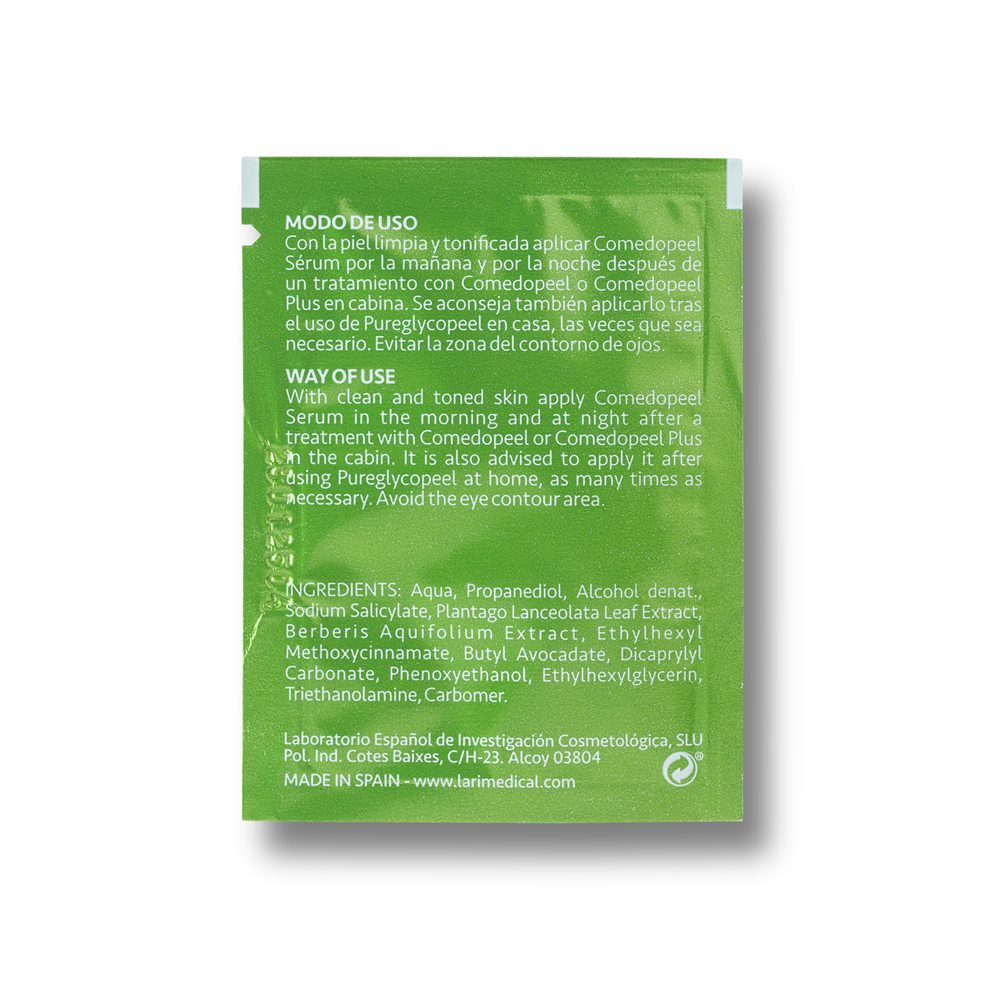
Skin-friendly ingredients of natural origin:

Alcohol, Propylene Glycol, Plantago Lanceolata Extract, Berry Extract, Avocado Oil, Salicylic Acid

4%

Additional ingredients to ensure the stability and safety of the formula:

Solar filters to protect against the sun, Phenoxyethanol, Ethylhexylglycerin, Triethanolamine, Carbomer

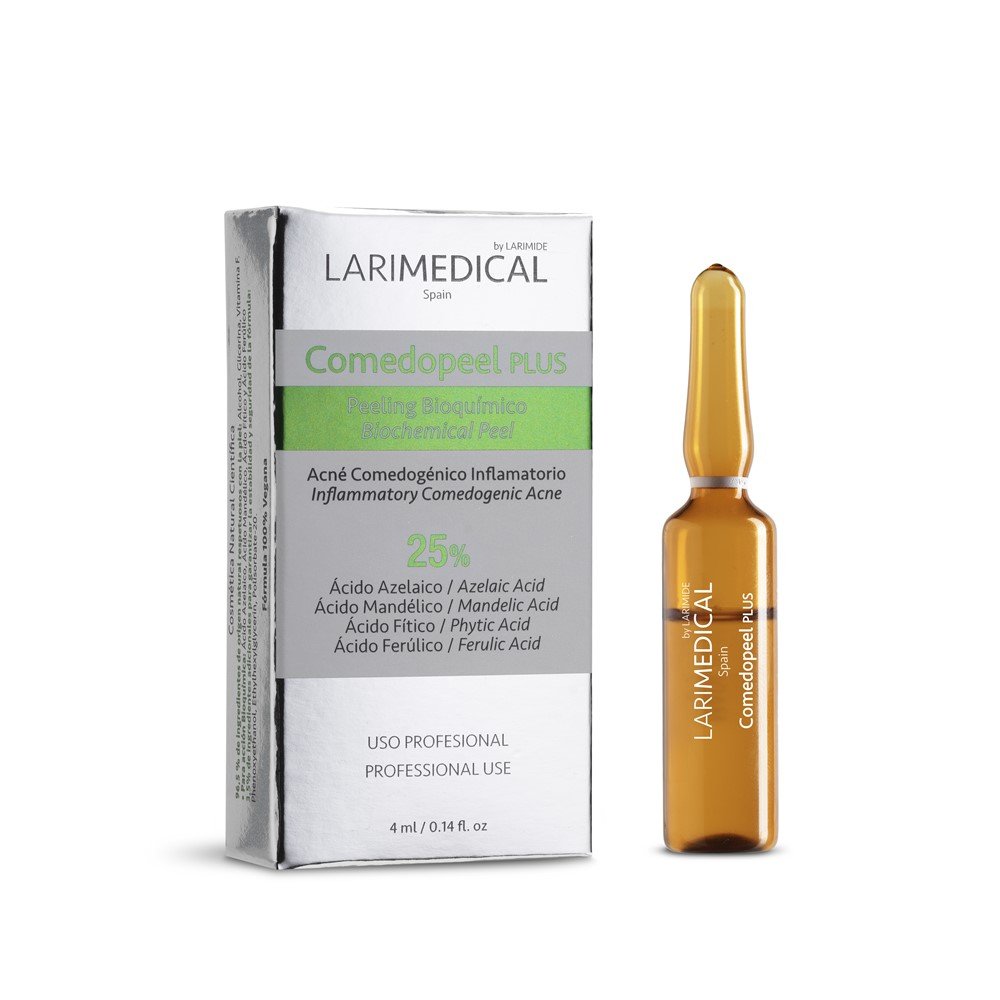
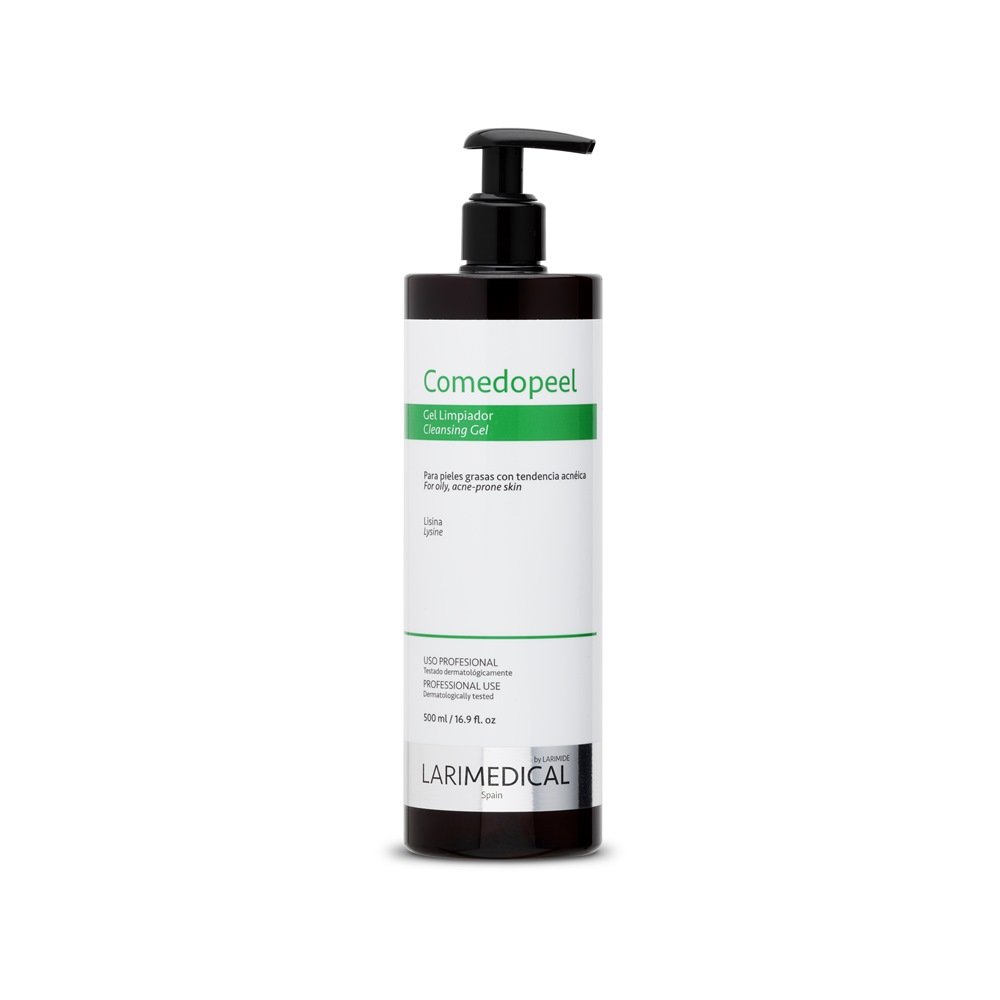
COMEDOPEEL

Inflammatory Comedogenic Acne

  • Despite extensive research over the past century, the pathogenesis of acne vulgaris remains unclear. In particular, the sequences of events that are involved in comedogenesis have yet to be clarified. Comedogenesis is one of the four main etiological factors of acne; the others are increased production and secretion of sebum, colonization of the follicular ducts with Propionibacterium acnes (P. acnes), and the inflammatory response. These four factors should not be viewed as different phases, but rather as closely interrelated mechanisms that ultimately lead to the clinical disease of acne vulgaris.
  • That comedones are essential lesions in acne was first suggested in 1960. It is widely accepted that their pathogenesis is multifactorial, attributable to follicular hyperkeratinization, increased sebum production, increased androgenic activity, impaired quality of sebum lipids, dysregulation of cutaneous steroidogenesis, neuropeptide production, inflammation and follicular hypercolonization by P. acnes bacteria.
  • One of the most widely used mechanisms to stop the hyperkeratinization process consists of the physical or chemical elimination of the excess proliferation of keratinocytes in the deregulated stratum and thus prevent the obstruction of the pilosebaceous duct.
Ingredients

MAIN INGREDIENTS

Salicylic Acid.
Plantago Lanceolata Leaf Extract
Berberis Aquifolium Extract

1

Clean and prepare the area to be treated.

2

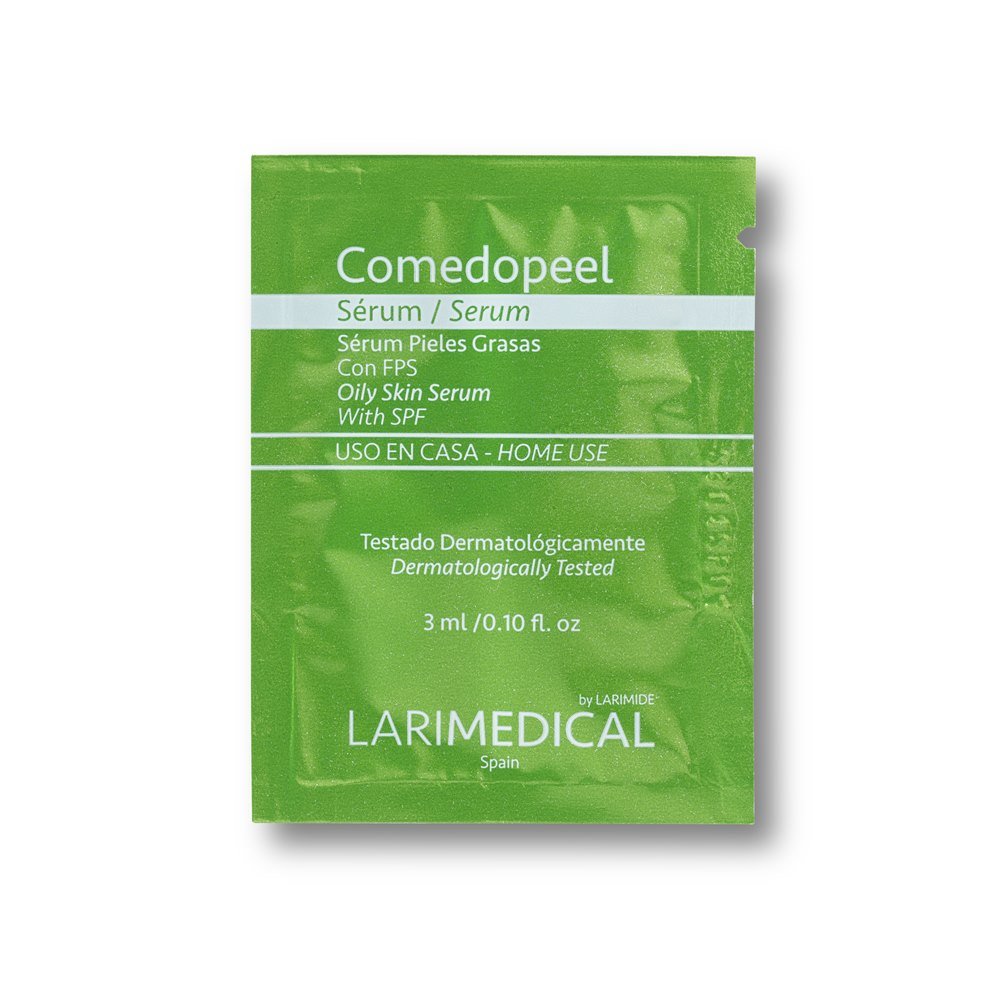
Apply Comedopeel Serum in the morning and at night after a treatment with Comedopeel or Comedopeel Plus in the cabin.

3

Let dry.

Technology

Acne vulgaris begins with the formation of microcomedones, subclinical lesions characterized by hyperproliferation of the follicular epithelium. These lesions can evolve more into inflammatory lesions or non-inflammatory comedones, of which there are two types, open and closed.

Clinically invisible, microcomedones are lesions present in regions of apparently healthy skin in a patient with acne. Histological examination of the microcomedones reveals dilated pilosebaceous ducts containing an excess of keratinocytes and modified sebum, with a prominent granular layer on the ductal epithelium.

Under normal circumstances, keratinocytes are loosely arranged in normal pilosebaceous follicles. The sebum flow transports them to the surface of the skin after peeling, maintaining a balance between new and flaked keratinocytes. However, in comedones, this balance is disturbed, leading to accumulation of keratinocytes in the pilosebaceous duct.

The hyperproliferation of basal keratinocytes plays a central role in this accumulation. As more keratinous material accumulates, the follicular wall continues to stretch and thin. At the same time, sebaceous glands atrophy and are replaced by epithelial cells. The open comedo contains keratinous material arranged in concentric sheets, while the closed comedo contains less compact keratinous material and a narrow follicular orifice.

The mechanism of follicular hyperkeratinization is not yet fully clear and may involve changes in lipid composition, androgen response, cytokines, and the presence of P. acnes.

To reverse this process, COMEDOPEEL provides biochemical action that helps regulate cell keratinization, improves desquamation, regulates lipid balance of the dermis, and prevents bacterial proliferation.

Description

96%

Skin-friendly ingredients of natural origin:

Alcohol, Propylene Glycol, Plantago Lanceolata Extract, Berry Extract, Avocado Oil, Salicylic Acid

4%

Additional ingredients to ensure the stability and safety of the formula:

Solar filters to protect against the sun, Phenoxyethanol, Ethylhexylglycerin, Triethanolamine, Carbomer

COMEDOPEEL

Inflammatory Comedogenic Acne

  • Despite extensive research over the past century, the pathogenesis of acne vulgaris remains unclear. In particular, the sequences of events that are involved in comedogenesis have yet to be clarified. Comedogenesis is one of the four main etiological factors of acne; the others are increased production and secretion of sebum, colonization of the follicular ducts with Propionibacterium acnes (P. acnes), and the inflammatory response. These four factors should not be viewed as different phases, but rather as closely interrelated mechanisms that ultimately lead to the clinical disease of acne vulgaris.
  • That comedones are essential lesions in acne was first suggested in 1960. It is widely accepted that their pathogenesis is multifactorial, attributable to follicular hyperkeratinization, increased sebum production, increased androgenic activity, impaired quality of sebum lipids, dysregulation of cutaneous steroidogenesis, neuropeptide production, inflammation and follicular hypercolonization by P. acnes bacteria.
  • One of the most widely used mechanisms to stop the hyperkeratinization process consists of the physical or chemical elimination of the excess proliferation of keratinocytes in the deregulated stratum and thus prevent the obstruction of the pilosebaceous duct.
Ingredients

MAIN INGREDIENTS

Salicylic Acid.
Plantago Lanceolata Leaf Extract
Berberis Aquifolium Extract

1

Clean and prepare the area to be treated.

2

Apply Comedopeel Serum in the morning and at night after a treatment with Comedopeel or Comedopeel Plus in the cabin.

3

Let dry.

Technology

Acne vulgaris begins with the formation of microcomedones, subclinical lesions characterized by hyperproliferation of the follicular epithelium. These lesions can evolve more into inflammatory lesions or non-inflammatory comedones, of which there are two types, open and closed.

Clinically invisible, microcomedones are lesions present in regions of apparently healthy skin in a patient with acne. Histological examination of the microcomedones reveals dilated pilosebaceous ducts containing an excess of keratinocytes and modified sebum, with a prominent granular layer on the ductal epithelium.

Under normal circumstances, keratinocytes are loosely arranged in normal pilosebaceous follicles. The sebum flow transports them to the surface of the skin after peeling, maintaining a balance between new and flaked keratinocytes. However, in comedones, this balance is disturbed, leading to accumulation of keratinocytes in the pilosebaceous duct.

The hyperproliferation of basal keratinocytes plays a central role in this accumulation. As more keratinous material accumulates, the follicular wall continues to stretch and thin. At the same time, sebaceous glands atrophy and are replaced by epithelial cells. The open comedo contains keratinous material arranged in concentric sheets, while the closed comedo contains less compact keratinous material and a narrow follicular orifice.

The mechanism of follicular hyperkeratinization is not yet fully clear and may involve changes in lipid composition, androgen response, cytokines, and the presence of P. acnes.

To reverse this process, COMEDOPEEL provides biochemical action that helps regulate cell keratinization, improves desquamation, regulates lipid balance of the dermis, and prevents bacterial proliferation.

Explore Our Range

related products

Your Shopping cart

Close
Comedopeel - Serum 3 ml Sachette

Comedopeel - Serum 3 ml Sachette