Description
[section bg_color="rgb(98, 151, 89)"]
[row]
[col span="4" span__sm="12"]
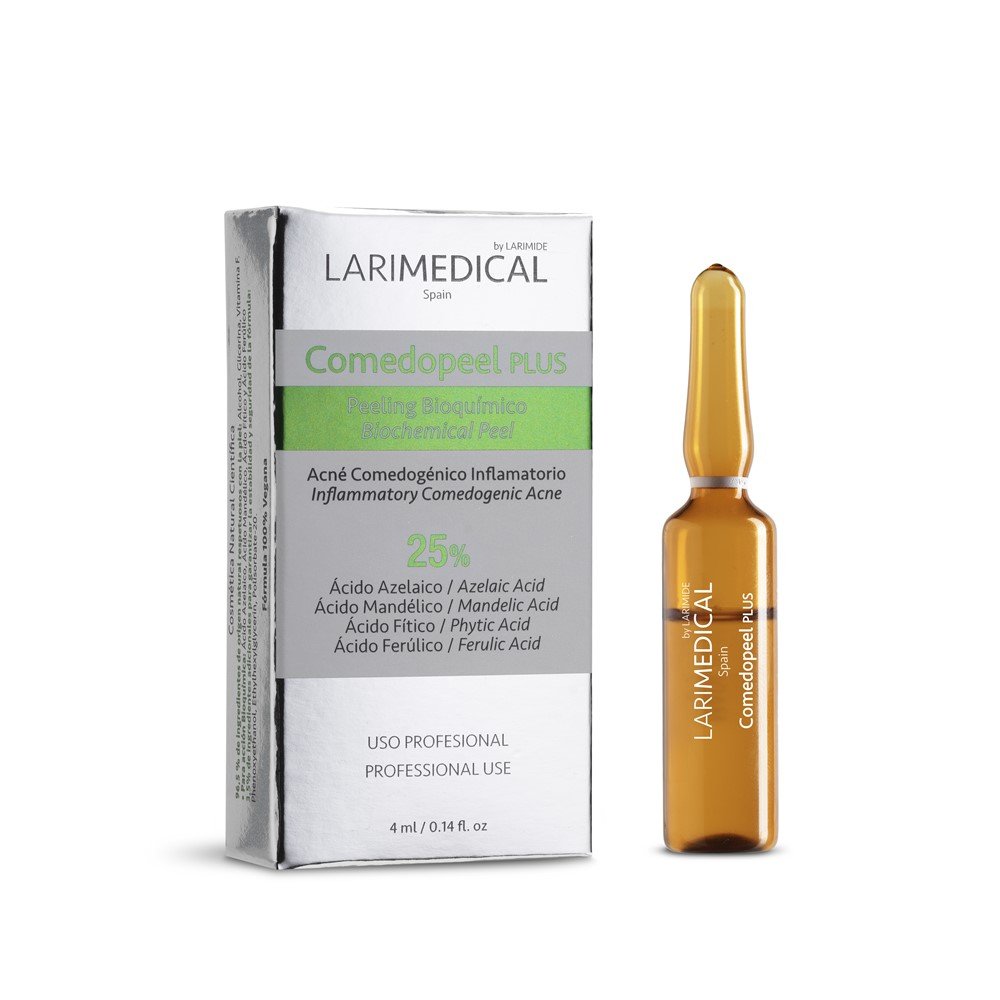
Skin-friendly ingredients of
natural origin:
[divider align="center" width="90%" height="2px" color="rgb(255, 255, 255)"]
Alcohol, Glycerin, Vitamin F,
Propylene Glycol
[/col]
[col span="4" span__sm="12"]
[divider align="center" width="90%" height="2px" color="rgb(255, 255, 255)"]
[/col]
[col span="4" span__sm="12"]
Additional ingredients to ensure the stability and safety of the formula:
[divider align="center" width="90%" height="2px" color="rgb(255, 255, 255)"]
Phenoxyethanol, Ethylhexylglycerin,
Polysorbate-20
[/col]
[/row]
[/section]
[divider color="rgb(255, 255, 255)"]
MAIN INGREDIENTS
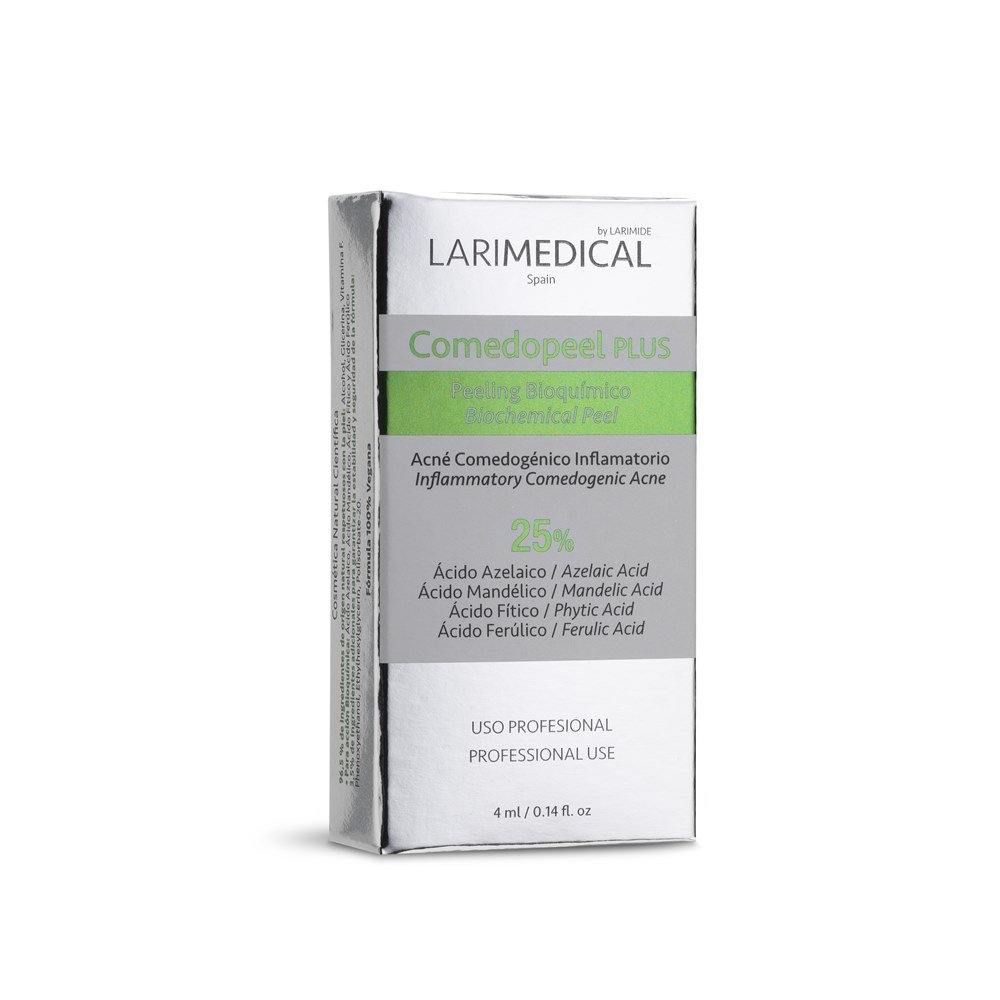
Azelaic Acid
Mandelic Acid
Phytic Acid
Ferulic Acid
[section bg_color="rgb(98, 151, 89)" padding="20px"]
[row h_align="center"]
[col span="2" span__sm="12"]
[ux_text line_height="1"]
[/ux_text]
[divider align="center" width="90%" height="2px" margin="0.0em" color="rgb(255, 255, 255)"]
[ux_text font_size="0.85" line_height="1.5"]
Clean and prepare the area to be treated.
[/ux_text]
[/col]
[col span="2" span__sm="12"]
[ux_text line_height="1"]
[/ux_text]
[divider align="center" width="90%" height="2px" margin="0.0em" color="rgb(255, 255, 255)"]
[ux_text font_size="0.85" line_height="1.5"]
[/ux_text]
[/col]
[col span="2" span__sm="12"]
[ux_text line_height="1"]
[/ux_text]
[divider align="center" width="90%" height="2px" margin="0.0em" color="rgb(255, 255, 255)"]
[ux_text font_size="0.85" line_height="1.5"]
[/ux_text]
[/col]
[col span="2" span__sm="12"]
[ux_text line_height="1"]
[/ux_text]
[divider align="center" width="90%" height="2px" margin="0.0em" color="rgb(255, 255, 255)"]
[ux_text font_size="0.85" line_height="1.5"]
[/ux_text]
[/col]
[col span="2" span__sm="12"]
[ux_text line_height="1"]
[/ux_text]
[divider align="center" width="90%" height="2px" margin="0.0em" color="rgb(255, 255, 255)"]
[ux_text font_size="0.85" line_height="1.5"]
[/ux_text]
[/col]
[/row]
[/section]
[section bg_color="rgb(255, 255, 255)"]
[row h_align="center"]
[col span__sm="12" bg_color="rgb(255, 255, 255)"]
[ux_text line_height="1.25"]
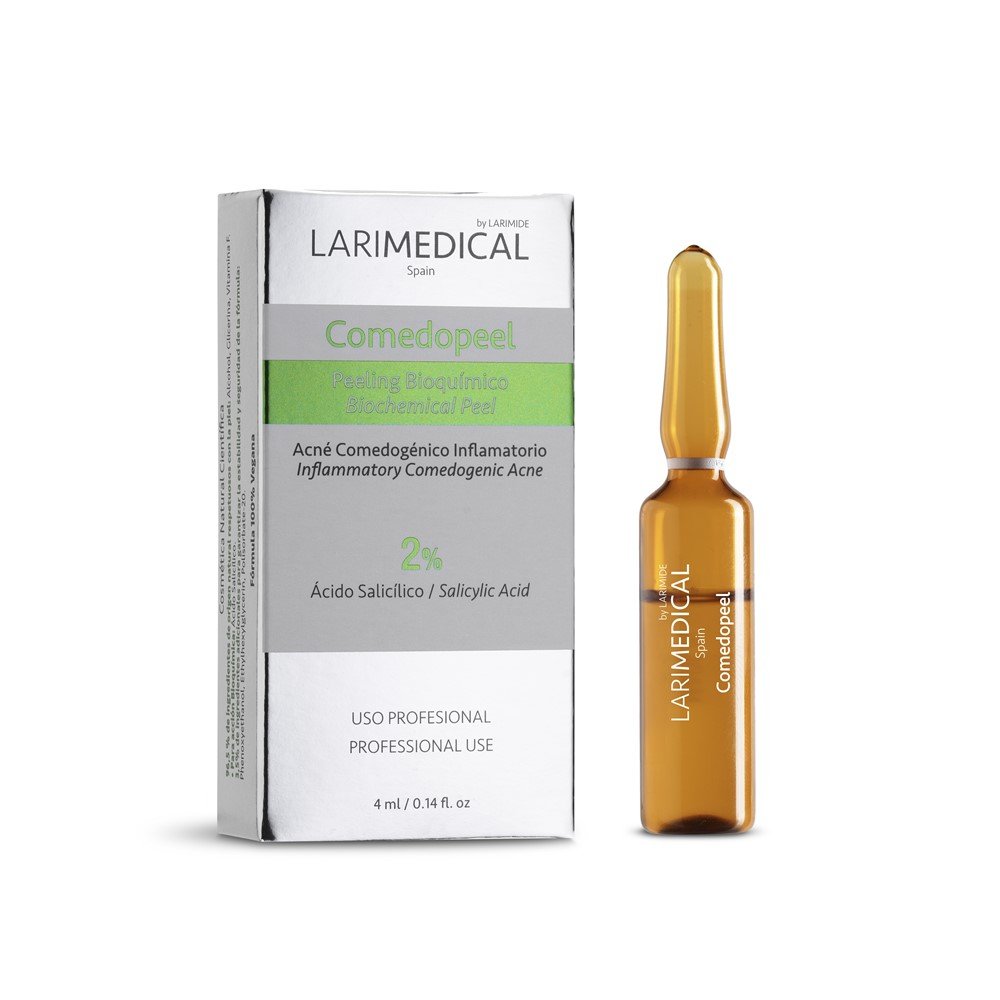
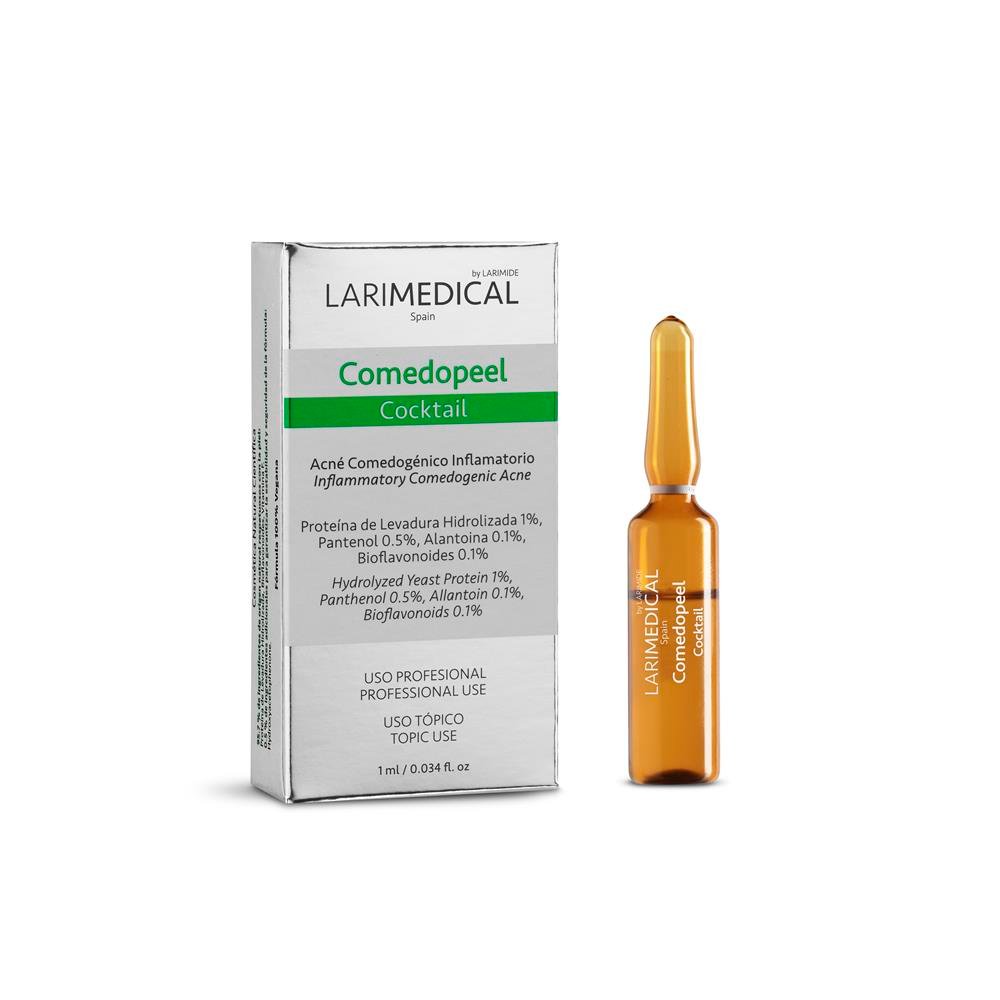
COMEDOPEEL
Inflammatory Comedogenic Acne
Despite extensive research over the past century, the pathogenesis of acne vulgaris remains unclear. In particular, the sequences of events that are involved in comedogenesis have yet to be clarified. Comedogenesis is one of the four main etiological factors of acne; the others are increased production and secretion of sebum, colonization of the follicular ducts with Propionibacterium acnes (P. acnes), and the inflammatory response. These four factors should not be viewed as different phases, but rather as closely interrelated mechanisms that ultimately lead to the clinical disease of acne vulgaris.
That comedones are essential lesions in acne was first suggested in 1960. It is widely accepted that their pathogenesis is multifactorial, attributable to follicular hyperkeratinization, increased sebum production, increased androgenic activity, impaired quality of sebum lipids, dysregulation of cutaneous steroidogenesis, neuropeptide production, inflammation and follicular hypercolonization by P. acnes bacteria.
One of the most widely used mechanisms to stop the hyperkeratinization process consists of the physical or chemical elimination of the excess proliferation of keratinocytes in the deregulated stratum and thus prevent the obstruction of the pilosebaceous duct.
[/ux_text]
[/col]
[/row]
[/section]
[section bg_color="rgb(98, 151, 89)" padding="20px"]
[ux_text font_size="0.85" line_height="1.2"]
[/ux_text]
[/section]